
Rural Planning Rules Are Changing But Don’t Get Carried Away
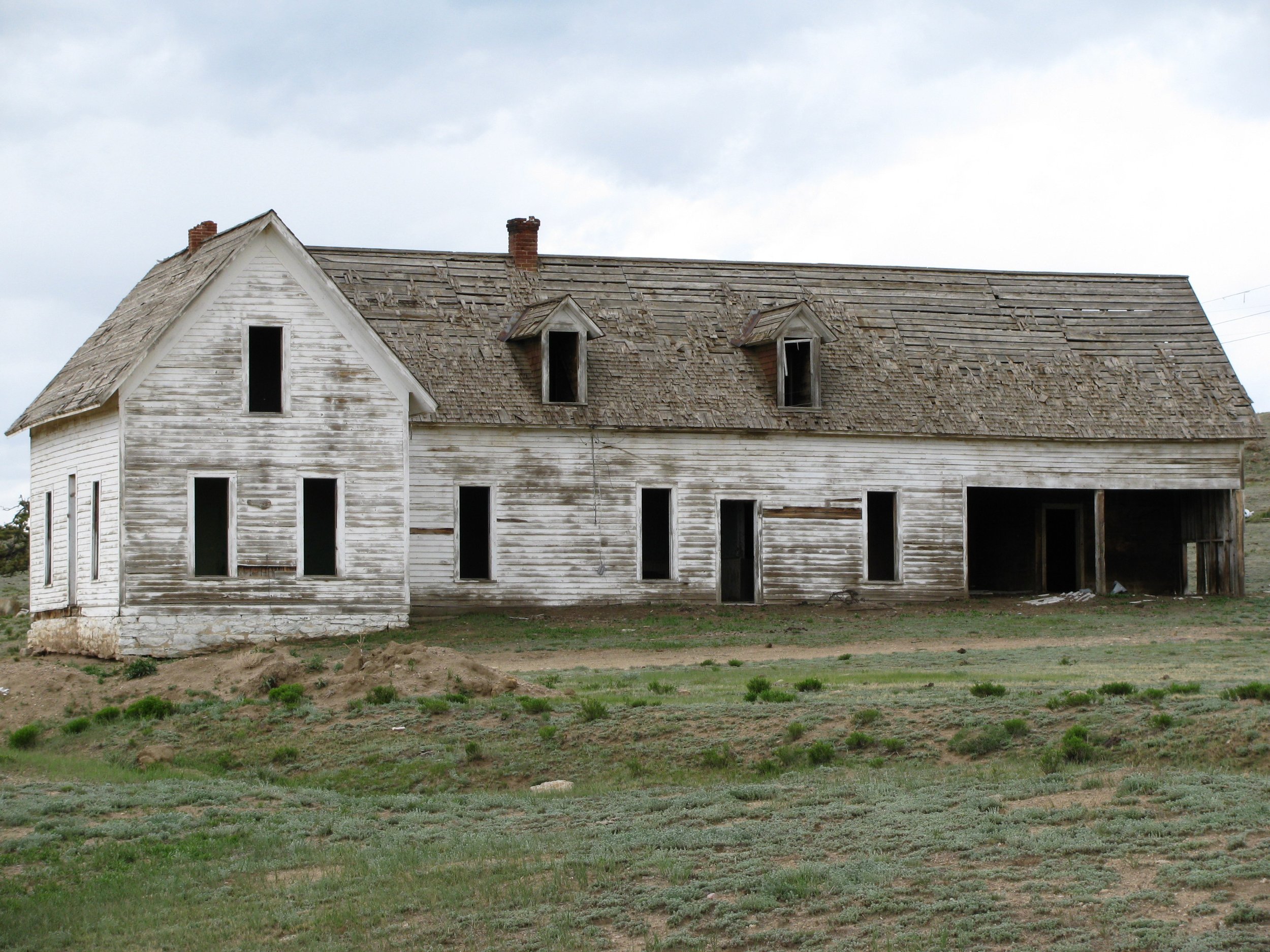
The Government is planning to relax guidelines around one-off rural housing, with new rules expected by the summer. On the surface, it sounds like a major shift — making it easier for people, particularly those with local ties, to build homes in their own areas.
There’s also a push to bring more consistency across counties, so planning decisions aren’t completely different depending on where you apply.
But while the headlines suggest a big change, the reality is more measured.
Why This Is Happening Now
The current system has been a source of frustration for years.
Local people are being priced out of the areas they grew up in. Landowners often find themselves unable to build on their own land. And many rural communities are struggling to maintain population levels.
This policy shift is an attempt to address those issues — not by overhauling the system entirely, but by loosening some of the constraints that have built up over time.
What’s Actually Likely to Change
Although the final details haven’t been published yet, the direction is fairly clear.
There will likely be more consistent national guidance, reducing the wide variation in how different counties interpret planning rules.
The approach to “local need” — which has been one of the biggest hurdles — may become more flexible. It probably won’t disappear, but it may be easier to satisfy and applied more evenly.
There may also be slightly more flexibility around certain rural sites, particularly in how “sustainable development” is interpreted.
What People Are Missing
This is where expectations need to be managed.
“Easier” does not mean guaranteed.
Planning in Ireland will still be decided on a case-by-case basis. You will still need to demonstrate a genuine connection to the area in many cases. The suitability of the site will still matter — including access, drainage, and design. And ultimately, the local authority will still make the final decision.
Owning land will not automatically entitle you to build on it.
What This Means in Real Terms
If you’re thinking about building, this change could improve your chances — particularly if you’ve been refused in the past. But it doesn’t remove the need for a well-prepared application.
If you own land, some sites may become more viable, and interest from buyers could increase. However, not all land will suddenly qualify for development.
And if you’re considering buying a site, caution is still essential. The introduction of new guidelines does not eliminate the risks associated with planning permission.
Our Take
This is a positive move, but it’s being oversimplified.
Planning in Ireland is not becoming a free-for-all. It remains a structured, criteria-based process, and success will still depend on the strength of each individual application.
Those who are most likely to benefit are the ones who understand how the system works, prepare properly, and avoid making assumptions.
Final Thought
If you’re considering a site or thinking about applying for planning permission, it’s worth speaking to your local planning office early in the process.
Getting clarity upfront can save a significant amount of time, money, and frustration later on — and gives you a much clearer picture of what is actually achievable in your area.
